Figs arrive in a rush. One week the markets are quiet and the tree looks ordinary; the next, every crate is full and the fruit is so soft you have to carry it home like eggs. That short window is the whole reason this crostini exists. It asks almost nothing of you, and it is at its best with figs that are barely holding themselves together.
Fig and ricotta is an old pairing, older than any recipe card. The fig brings sweetness and a faint jammy tang; the ricotta brings coolness, salt and fat. Bread does the rest. What follows is written for someone making this for the first time, so there is more attention paid to choosing and handling than to any clever technique. None of it is difficult. Most of it is just paying attention for twenty minutes.
Start With the Fig, Not the Recipe
A perfect crostini made with an underripe fig is a disappointment nobody can fix at the table. Fig ripeness is mostly about feel and smell, not colour, because colour varies wildly between varieties — some are green when ready, some are almost black, and plenty are purple somewhere in between.
Hold the fig. It should feel heavy for its size, as if it has been quietly filling with syrup. Press it gently near the stem end: a ripe fig gives, like a ripe peach, without collapsing. The stem should droop slightly rather than stand up stiff and green. Look at the eye — the small opening at the bottom — and you may see a bead of syrup or a fine split in the skin. That is a good sign, not a flaw.
Smell it at the stem end. You want something sweet and faintly floral. A sour, fermented note means it has gone too far; a milky white sap means it was picked too early and will stay dry and bland no matter what you do to it.
Two small points about seasons and handling:
- In Italy, the first crop (the breba) comes in early summer and is thinner, milder and less juicy. The main crop, from late summer into autumn, is the one worth building a plate around.
- Keep figs in a single layer at room temperature and eat them within a day or two. Refrigerate only if they are already very soft, and take them out an hour before serving — cold dulls the flavour.
- Do not rinse them until the moment you use them. The skin is thin and absorbs water, which turns the flesh watery. Wipe with a barely damp cloth instead.
Buy a few more than you think you need. One or two will always be past their best, and the cook needs something to eat while assembling.
Choose Bread That Can Carry the Weight
You want a loaf with a firm, close crumb: country sourdough, ciabatta, a Pugliese-style round, or Altamura bread if you can find it. Airy bread with big tunnels looks beautiful and fails here — the ricotta falls through and the honey ends up on the plate.
Slice on a slight diagonal, about 1.5 cm thick (a little over half an inch). Slightly stale bread is better than fresh; it toasts more evenly and stays crisp longer. Brush both sides with olive oil and toast at 200°C (400°F) for six to eight minutes, turning once, or do it in a hot pan with a lid ajar. The edges should be deep gold and the surface dry to the touch.
While the slices are still warm, rub one side lightly with a cut clove of garlic. One pass, no more — garlic should be a rumour in the background, not the headline. Sprinkle with a little fine salt. Let the toasts cool for a minute before topping. If you spread ricotta on a toast straight from the oven, it slides.
Whip the Ricotta Until It Slumps
Ricotta straight from the tub is grainy and heavy. Whipping it for less than a minute changes the texture entirely, and it is the step beginners most often skip.
Use whole-milk ricotta, ideally sheep's milk (ricotta di pecora), which is richer and slightly saltier. If yours looks watery, tip it into a fine sieve over a bowl for fifteen to thirty minutes. Let it come to room temperature first — cold ricotta stays lumpy no matter how hard you beat it.
Then, in a bowl, whisk 250 g (about a cup) with:
- A pinch of fine salt
- One tablespoon of good olive oil
- A splash of milk, no more than a tablespoon
- Finely grated zest of half a lemon, if you like a little lift
A fork works, but a food processor gives you silk in about thirty seconds. Stop before it turns liquid. The finished ricotta should mound on a spoon and then slump slowly off it. Fold in a teaspoon of chopped thyme leaves or torn mint at the end, and taste it. If it needs salt, add it now — you cannot correct the seasoning through a layer of honey.
Honey, Herbs and a Turn of Pepper
Warm the honey jar in a bowl of hot water for a few minutes so it drizzles in a thin thread instead of landing in one heavy blob. Acacia honey is gentle and lets the figs speak; chestnut honey is dark and bitter-edged and very good if you want the crostini to taste more grown-up. Fig syrup or saba makes a fine substitute.
Black pepper is not optional. A turn from the mill over the honey cuts the sweetness and makes the whole thing taste more like itself. Finish with a few flakes of sea salt, and add the herbs at the very end so they stay green and fresh.
Assembling: Order Matters
- Toast the bread. Olive oil both sides, deep gold, rubbed lightly with garlic while warm.
- Spread the ricotta. A generous tablespoon per slice, pushed almost to the edges with the back of a spoon, leaving a small bare rim.
- Cut the figs. Quarters for small figs, sixths or eighths for large ones. A wedge should be roughly two bites; a whole half-fig on a small toast is awkward to eat standing up.
- Lay them on. Two or three wedges per toast, skin side out, pressed down very gently so they stay put.
- Dress. Honey, black pepper, flaky salt, thyme or mint, and a small drizzle of olive oil.
- Serve immediately. Within ten minutes, ideally. The bread starts softening the moment the ricotta touches it.
Make-Ahead Notes and Easy Variations
The components can all be prepared separately. Toast the bread up to four hours ahead and re-crisp it in a hot oven for two minutes. Whip the ricotta the day before, cover it, and bring it back to room temperature before using. Cut the figs at the last possible minute — they brown and soften fast.
For a crowd, set everything out and assemble in batches of six rather than making forty in advance. It also makes a pleasant job for a guest.
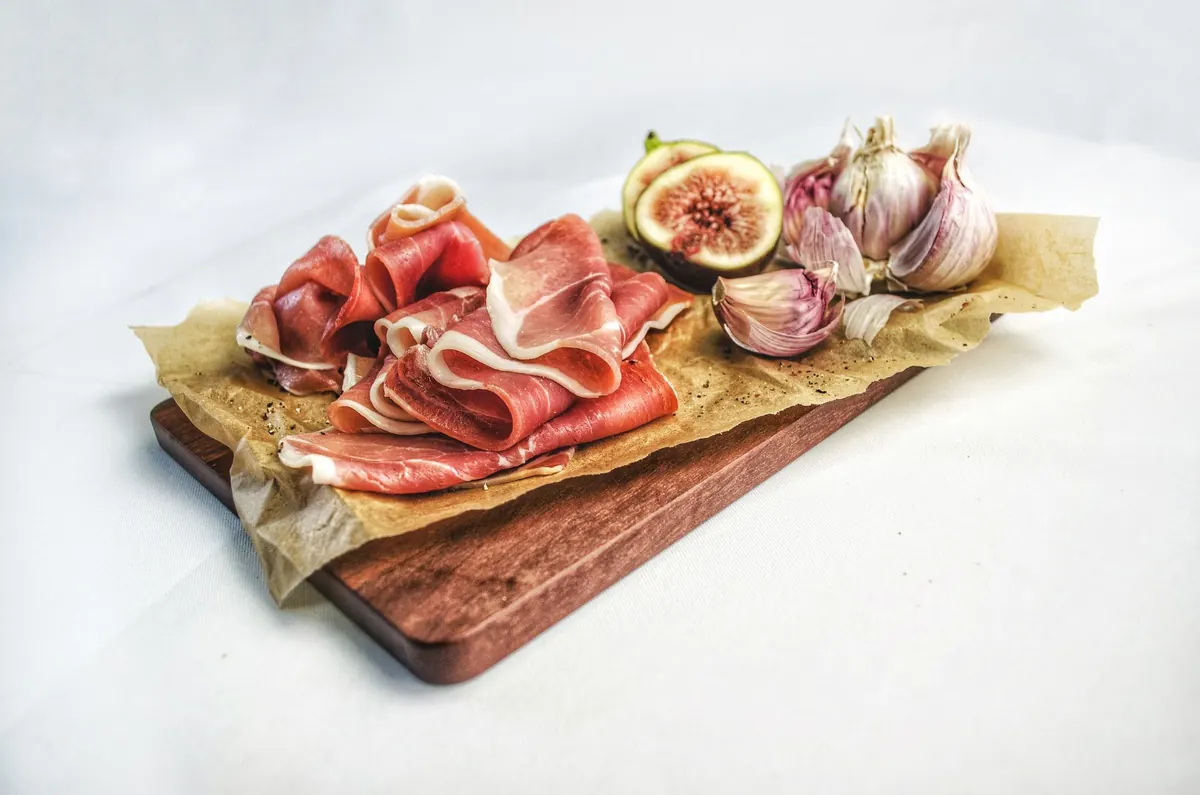
A few additions that work: torn prosciutto crudo laid under the figs, a crumble of gorgonzola dolce whisked into the ricotta, toasted pine nuts for crunch, a little orange zest instead of lemon. Skip anything that adds more sweetness. The figs are already doing that work.
Serving Them at Their Best
These are aperitivo food, not dinner. Put them out with something dry and cold — a glass of prosecco, a crisp white, or a light red served cool — and let people take one at a time from a board. They also belong on a table with cured meat and salty cheese, where the sweetness has something to push against.
If you only remember three things: pick figs so ripe they hardly survive the trip home, whip the ricotta until it softens, and toast the bread harder than feels comfortable. Everything else is finishing. Fresh figs wait for no one, so this is the week to make them.
Photo: ulleo / Pixabay