Colatura di alici is one of those Italian ingredients that rewards a light hand. A few drops, stirred into warm olive oil or a pan of pasta, and a dish suddenly tastes deeper, rounder, more savoury. It is not a sauce you pour. It is a seasoning you ration. If you have wondered what the small bottles from the Amalfi Coast contain, or why cooks talk about them the way they talk about good vinegar, this is the short version.
What Colatura di Alici Actually Is
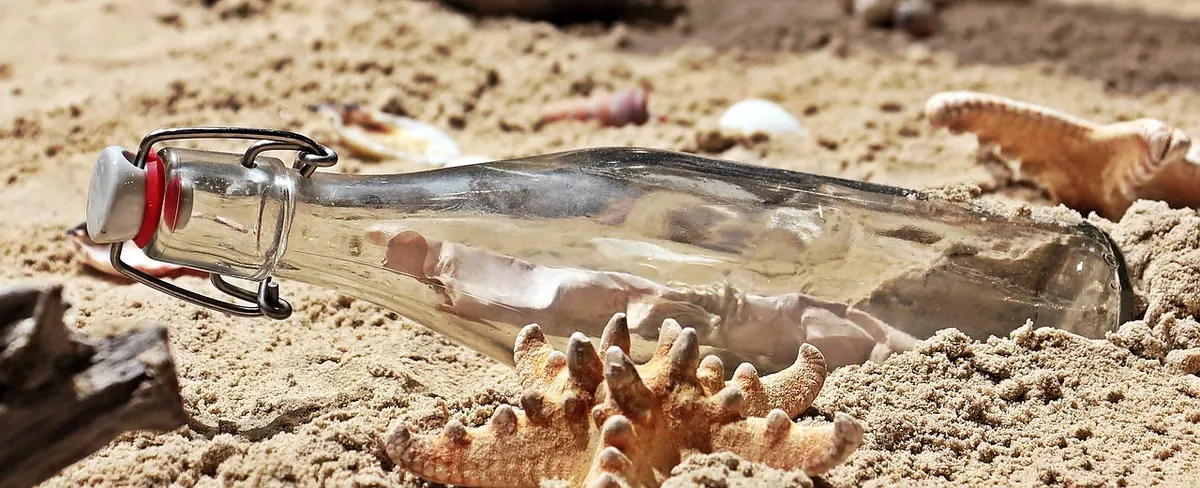
Colatura di alici is a fermented anchovy seasoning from Cetara, a fishing village on the Amalfi Coast, east of Salerno. It is made from little anchovies — alici — and sea salt, and little else. The fish are layered with salt in wooden barrels, weighted down, and left to mature. Over months, the salt draws liquid from the fish, and that liquid is collected, filtered, and bottled. The result is a clear amber liquid with a powerful savoury smell and a taste that is salty, rounded, and deeply savoury, with a clean fish note rather than a harsh one.
It belongs to the same broad family as ancient Roman garum and modern Southeast Asian fish sauces, but it is not a substitute for either. Colatura is its own thing: gentler than many fish sauces, more complex than a simple anchovy paste, and used in small amounts. The name is straightforward: colatura means “dripping” or “straining”, and alici means anchovies.
How It Is Made
The traditional method is slow and almost boring, which is why it works. Anchovies are caught in the waters off the Gulf of Salerno, usually in spring and early summer, when they are plump and rich. They are cleaned, headed, and layered in chestnut or oak barrels with coarse sea salt. A weighted lid goes on top. Then time does the work.
As the salt pulls moisture from the fish, a brine forms and slowly drains through a small hole near the bottom of the barrel. The first liquid is set aside or used to top up later batches. The clearer liquid that comes later is the colatura. It is filtered and left to settle, then bottled. Good producers age their colatura for many months, often a year or more, and some keep a mother batch going from year to year.
The short version
- Clean and salt the anchovies.
- Layer them in wooden barrels with a weight on top.
- Let the salt draw out the liquid over months.
- Collect, filter, and bottle the amber liquid.
No cooking, no vinegar, no shortcuts. That is the whole trick.
What It Tastes Like
Salty, first. Then savoury in a way that is hard to describe without sounding silly: it tastes like roasted fish skin, toasted bread, and the dark edge of a good stock, all at once. There is a fish flavour, obviously, but it should be clean and integrated, not sharp or stale. The colour is amber to reddish-brown, and the texture is thin, like soy sauce.
A little goes a long way. A teaspoon in a pan for two people is often enough. If you taste it straight from the bottle, it will seem aggressive; diluted in oil, pasta water, or a dressing, it softens and spreads.
It is not the same as anchovy paste. Paste is mashed fish, thick and salty, and it can be used by the spoonful. Colatura is a liquid seasoning, and it needs a lighter hand. Nor is it the same as Southeast Asian fish sauce, though they share a family resemblance. Colatura tends to be rounder and less pungent, with a wood-aged depth.
How to Use It in the Kitchen
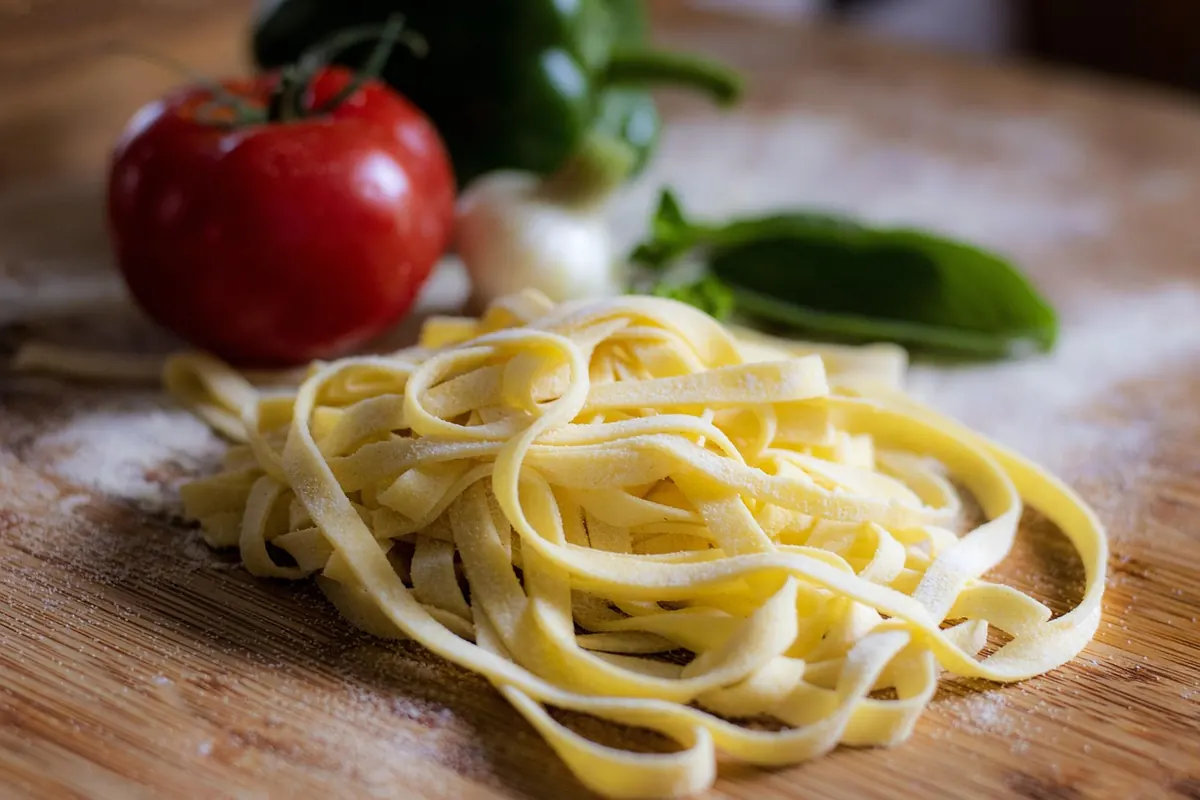
Think of colatura as you would think of soy sauce or good stock powder: as a way to add depth, not as a main ingredient. The classic use is spaghetti with colatura, garlic, olive oil, chilli, and parsley. You warm the oil gently with garlic and chilli, cook the pasta, then take the pan off the heat and stir in a small spoonful of colatura with a splash of pasta water. Toss, add parsley, and finish with lemon zest if you like. The sauce should cling, not swim.
Where it works best
- Pasta: spaghetti, linguine, or a short shape with a simple oil-based sauce. Add it off the heat so the aroma stays.
- Vegetables: roasted cauliflower, broccoli, courgettes, or greens. Mix a few drops into olive oil and lemon juice before dressing.
- Dressings: whisk a little into vinaigrette, mayonnaise, or yoghurt for a savoury edge.
- Fish and eggs: a drop or two in butter for grilled fish, or in a soft scramble. Use less than you think.
- Marinades and braises: add a small amount to a tomato sauce or a stew for background depth.
- Dips: stir a few drops into ricotta or mashed beans with olive oil and lemon.
The rules that matter
Use it sparingly. Start with a quarter teaspoon, taste, and add more. Dilute it in a little warm water or pasta water before adding it to a cold dressing, so it spreads evenly. Do not boil it hard; heat dulls the aroma. And taste before you add salt, because colatura is very salty.
How to Choose and Keep It
Look for a short ingredient list: anchovies and salt. The liquid should be clear amber, not murky, though a little sediment is normal in an unfiltered product. The smell should be savoury and clean; if it smells sharp or ammonia-like, leave it. Small bottles are better than large ones, because you will use it slowly.
Store it in a cool, dark cupboard, tightly closed. Once opened, follow the label; many producers recommend using it within a year, and some suggest keeping it in the fridge. Do not let the bottle sit in direct sunlight or next to the hob. If salt crystals form around the cap, wipe them away with a damp cloth.
A Simple First Plate
Here is a practical starting point for two people. Put a pan of water on to boil and salt it lightly. Warm three tablespoons of olive oil in a wide pan with a crushed garlic clove and a pinch of chilli. Cook 180 g of spaghetti until just shy of al dente. Lift the pasta into the pan with a splash of its water, remove the garlic, and take the pan off the heat. Stir in half a teaspoon of colatura, then taste. Add a little more if the dish needs it, along with chopped parsley and a squeeze of lemon. Serve immediately.
That is the whole idea: colatura is not a sauce to smother a dish. It is a quiet, salty depth that makes good olive oil, vegetables, and pasta taste more like themselves. Keep the bottle small, the spoon modest, and the heat low. The rest is practice.
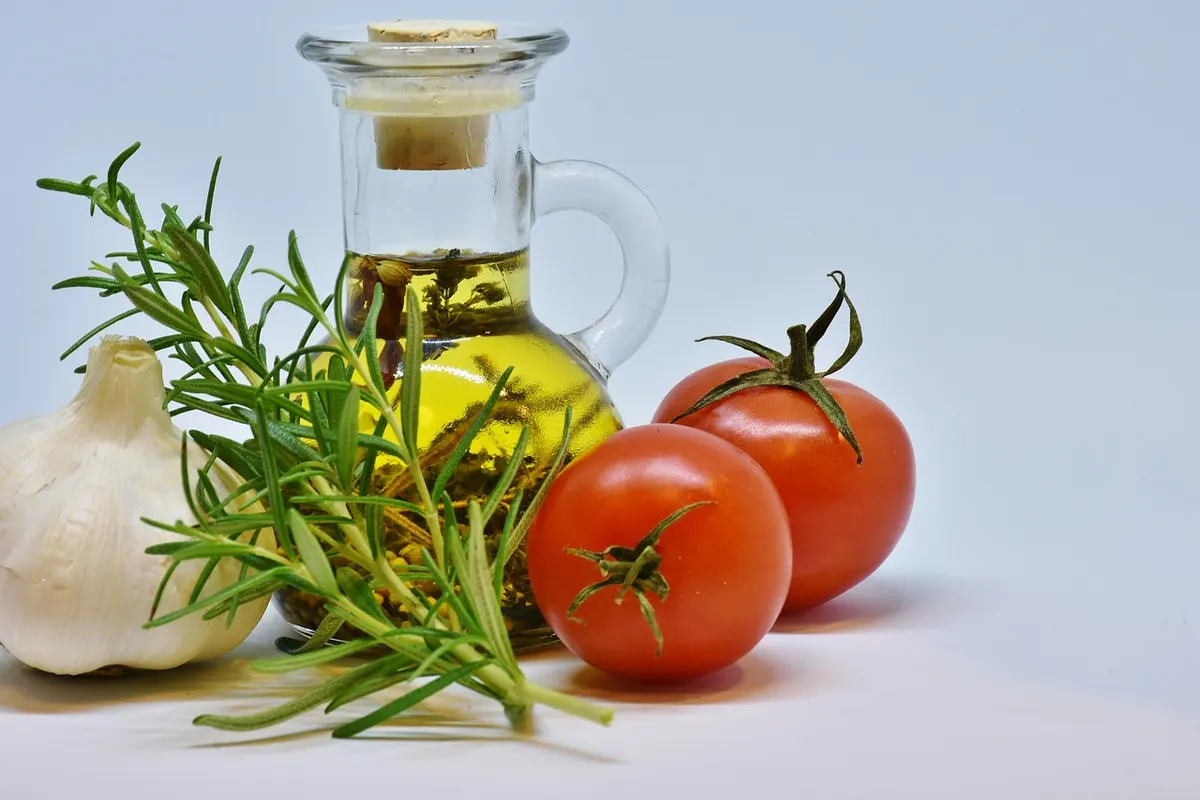
Photo: pixel2013 / Pixabay